Hydrochloric Acid Level Measurement Techniques You Need to Know
Understanding Hydrochloric Acid and Its Storage Requirements
Properties of Hydrochloric Acid (HCl)
Hydrochloric acid (HCl) is a strong, corrosive acid widely used in various industrial applications, including metal processing, food production, and water treatment. It appears as a clear, colorless liquid with a pungent odor. The concentration of hydrochloric acid can vary, typically ranging between 10% and 37% for commercial use. This variability affects its corrosive properties and storage requirements. Due to its reactivity, HCl can interact with various materials, making proper handling and storage essential to prevent accidents and ensure safety.
Corrosive Nature and Its Implications
The corrosive nature of hydrochloric acid poses significant risks in storage and handling. It can damage metals, concrete, and other materials, leading to costly repairs and safety hazards. For instance, steel tanks without proper protection can corrode rapidly, compromising chemical tank level gauge structural integrity. This corrosive behavior necessitates the use of corrosion-resistant materials for any equipment interacting with HCl. Operators must also implement safety measures, including protective equipment and proper ventilation, to mitigate health risks associated with exposure to fumes and spills.
Importance of Accurate Level Measurement in Storage Tanks
Accurate level measurement in hydrochloric acid storage tanks is critical for several reasons. First, it ensures that operators maintain optimal levels of HCl, preventing overfilling or running out of the acid. Both scenarios can lead to safety hazards or operational inefficiencies. Second, precise measurement assists in inventory management, allowing for timely reordering and effective supply chain management. Finally, accurate level measurement aids in regulatory compliance, ensuring that storage practices meet environmental and safety standards. Reliable measuring instruments, such as a hydrochloric acid tank level gauge, play an essential role in achieving these objectives.
Level Measurement Techniques for Hydrochloric Acid
Overview of Level Gauges and Their Functionality
Level gauges serve as essential tools for monitoring the liquid levels in storage tanks. These instruments provide real-time data, enabling operators to make informed decisions. Various types of level gauges exist, each designed to accommodate specific applications. For hydrochloric acid, it is crucial to select gauges that withstand corrosive environments. Mechanical gauges, such as float-type and sight glass level gauges, offer straightforward and reliable measurements. Electronic level sensors, on the other hand, provide enhanced accuracy and can integrate with automated systems for continuous monitoring. Understanding the functionality and suitability of each type is vital for effective hydrochloric acid level measurement.
Pressure Gauges: A Reliable Choice for HCl Measurement
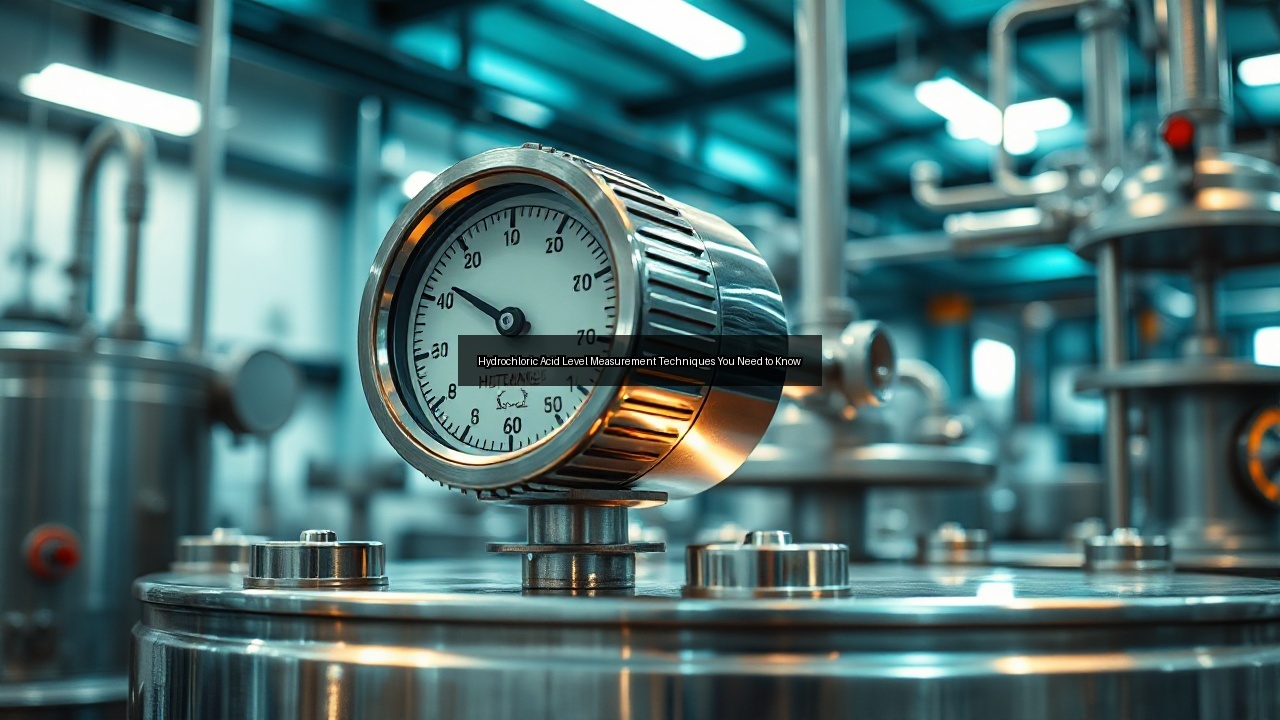
Pressure gauges present a reliable option for measuring hydrochloric acid levels, particularly in closed systems. These gauges operate on the principle of pressure differential, where the hydrostatic pressure exerted by the liquid column correlates with the liquid level. This method proves effective due to its simplicity and direct relationship with liquid height. When selecting a pressure gauge for HCl measurement, ensure that the materials used are corrosion-resistant, such as stainless steel or specialized plastics. Proper calibration and maintenance of pressure gauges enhance their reliability, ensuring accurate readings that are crucial for operational safety and efficiency.
Using Level Sensors for Enhanced Precision
Level sensors offer enhanced precision in measuring hydrochloric acid levels compared to traditional methods. These electronic devices utilize various technologies, including ultrasonic, capacitive, and radar, to gauge liquid levels accurately. Ultrasonic sensors transmit sound waves, while capacitive sensors measure changes in capacitance caused by the liquid level. Radar sensors utilize microwave signals, making them particularly suitable for volatile environments. The integration of level sensors into HCl storage systems improves operational efficiency, minimizes human error, and allows for remote monitoring. Implementing these advanced technologies ensures that operators have real-time information to make timely and informed decisions.
Material Considerations for Hydrochloric Acid Level Gauges
Corrosion-Resistant Materials: Stainless Steel vs. Glass
Choosing the right materials for hydrochloric acid level gauges is crucial due to HCl's highly corrosive nature. Stainless steel and glass are two commonly used materials, each with unique properties. Stainless steel offers excellent durability and resistance to corrosion, making it a preferred choice for many industrial applications. However, it can still corrode over time, especially under aggressive conditions. Glass, while resistant to chemical attack, can be fragile and may not withstand high-pressure environments. The decision between these materials depends on specific application requirements, including temperature, pressure, and the concentration of HCl involved.
Choosing the Right Construction for Chemical Level Gauges
When selecting a chemical level gauge for hydrochloric acid, construction quality plays a significant role in its performance and longevity. Gauge design must consider factors such as thermal expansion and pressure variations. For instance, float-type level gauges require robust construction to handle dynamic conditions. Additionally, the seals and joints used in the gauge construction must be made from materials compatible with HCl to prevent leaks and maintain accuracy. Evaluating the construction of the gauge thoroughly ensures it meets operational demands while providing reliable measurements.
Evaluating the Durability of Gauges in Corrosive Environments
Durability assessment is vital when selecting level gauges for hydrochloric acid storage. Gauges must withstand harsh conditions without compromising functionality. Factors such as chemical concentration, temperature fluctuations, and exposure to external elements contribute to wear and tear. Regular maintenance and inspection are essential to prolong the lifespan of these instruments. Operators should also consider gauge certifications and standards that guarantee performance in corrosive environments. Investing in high-quality, durable level gauges minimizes the risk of failures, ensuring continuous and accurate monitoring of hydrochloric acid levels.
Innovations and Best Practices in Acid Level Measurement
Integration of Technology: Smart Level Gauges
Smart level gauges represent a significant innovation in hydrochloric acid measurement. These advanced devices integrate digital technology, allowing for real-time data transmission and remote monitoring. Operators can access information from various locations, enhancing operational efficiency and safety. Smart gauges provide alerts for unusual levels, enabling prompt responses to potential issues. Incorporating Internet of Things (IoT) capabilities into these instruments allows for seamless integration with existing systems, improving overall management of hydrochloric acid storage. This technological advancement reduces human error and enhances reliability in level measurement.
The Role of pH Measurement in HCl Tank Monitoring
pH measurement plays a critical role in monitoring hydrochloric acid tanks. Maintaining the appropriate pH level is essential for ensuring the effectiveness of HCl in various applications. Fluctuations in pH can indicate contamination or chemical reactions that may compromise the acid's integrity. By integrating pH sensors with level gauges, operators can monitor both the level and chemical properties of HCl simultaneously. This dual monitoring capability enhances safety and operational efficiency, allowing for timely interventions when necessary. Effective pH measurement complements level monitoring, ensuring optimal conditions within hydrochloric acid storage tanks.
Case Studies: Reliable Solutions in Acid Storage Management
Several industries have successfully implemented advanced level measurement techniques for hydrochloric acid storage. For example, a chemical manufacturing plant integrated smart level gauges into its HCl storage system, drastically reducing downtime and improving safety. The real-time monitoring capabilities allowed the plant to optimize inventory management while minimizing spills and leaks. Another case involved a wastewater treatment facility that utilized pressure gauges for precise measurement of HCl levels. This setup ensured compliance with environmental regulations while enhancing operational reliability. These case studies highlight the importance of selecting appropriate measurement techniques and materials for effective hydrochloric acid storage management.