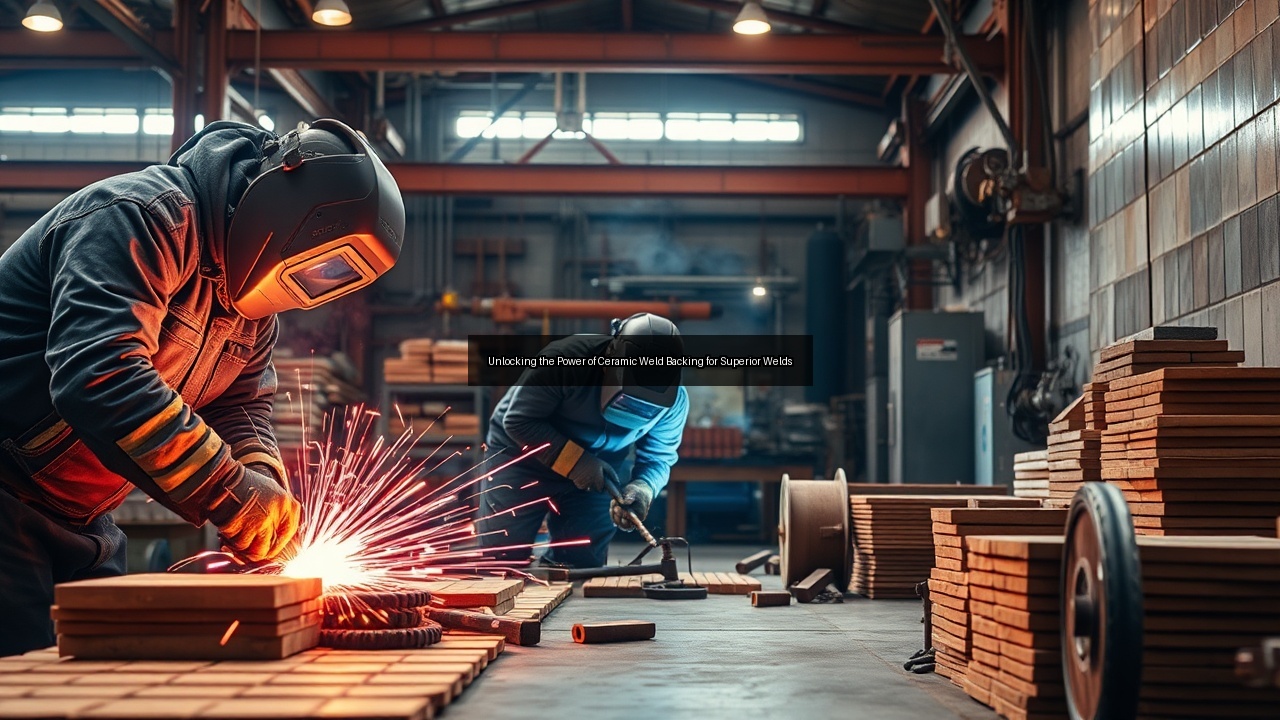
Unlocking the Power of Ceramic Weld Backing for Superior Welds
Understanding Ceramic Weld Backing
What is Ceramic Weld Backing?
Ceramic weld backing refers to a specialized material used in the welding process to provide support and improve the quality of welds. Typically made from ceramics, this backing material acts as a barrier between the weld and the underlying surface, ensuring that the molten weld does not penetrate too deeply. This is particularly vital in applications where precision and structural integrity are paramount. The ceramic backing can withstand high temperatures, allowing for a stable welding environment, especially in processes like TIG (Tungsten Inert Gas) welding. By utilizing ceramic weld backing, welders can achieve cleaner, more consistent welds without the risk of defects associated with excessive penetration or contamination.
Benefits of Using Ceramic Backing in Welding
The advantages of ceramic weld backing are numerous and significant for welders seeking to enhance their results. First, it minimizes the risk of burn-through, which often leads to costly repairs and weak joints. Ceramic materials can handle intense heat and provide thermal insulation, reducing the chances of distortion in the base metal. Furthermore, using ceramic backing facilitates better penetration control, allowing the welder to create more uniform weld beads. This leads to improved weld aesthetics and increased strength. Additionally, the use of ceramic backing can enhance the overall efficiency of the welding process, as it often requires less post-weld cleanup. The durability of ceramics means that they can withstand multiple uses, making them a cost-effective choice in the long run.
Types of Ceramic Weld Backing Materials
Various types of ceramic weld backing materials exist to cater to different welding applications. Common types include ceramic tiles and ceramic foil. Ceramic tiles are robust and provide excellent thermal insulation, making them suitable for high-temperature welding applications. They come in various thicknesses and can be cut to fit specific weld joint configurations. Ceramic foil, on the other hand, offers flexibility, allowing it to conform to irregular surfaces easily. This adaptability is particularly useful in complex assemblies. Some weld backing products also incorporate a combination of clay and other materials to enhance performance. The choice of ceramic backing depends on the welding method, material type, and required weld properties, making it critical for welders to understand their options.
Applications of Ceramic Weld Backing
Ceramic Weld Backing in TIG Welding
Ceramic weld backing plays a crucial role in TIG welding, where precision and control are essential. In this process, the welder uses a non-consumable tungsten electrode and an inert gas, typically argon or helium, to shield the weld pool from atmospheric contaminants. The ceramic backing supports the weld pool, preventing it from running off or creating excessive heat distortion. The high-temperature resistance of ceramics allows them to maintain integrity throughout the welding process, ensuring that the weld remains consistent and strong. Additionally, the use of ceramic backing in TIG welding minimizes the risk of defects such as undercutting and porosity, leading to superior weld quality.
Using Ceramic Backing in Various Industries
Ceramic weld backing finds applications across a multitude of industries. Manufacturing, automotive, aerospace, and construction sectors utilize this technology to enhance weld quality and efficiency. In the automotive industry, for instance, manufacturers rely on ceramic backing to produce strong, lightweight components that meet stringent safety standards. Aerospace applications demand high precision and reliability, making ceramic weld backing indispensable for components subjected to extreme conditions. Construction projects require robust welds to ensure structural integrity, and ceramic backing helps achieve this. The versatility of ceramic weld backing allows it to adapt to various materials and welding techniques, making it an essential tool for welders in diverse fields.
Impact of Ceramic Backing on Weld Quality
The impact of ceramic backing on weld quality cannot be overstated. It enhances the overall performance of welds by providing a stable environment during the welding process. This stability reduces the likelihood of defects that can compromise the strength and durability of the finished product. Welders notice fewer instances of issues like slag inclusion and lack of fusion when using ceramic backing. The controlled heat distribution helps to achieve uniform weld penetration, resulting in aesthetically pleasing joints with a smooth finish. Additionally, welds made with ceramic backing exhibit greater resistance to fatigue and stress, ensuring long-lasting performance. Overall, the use of ceramic weld backing significantly elevates the quality and reliability of welded joints.
Choosing the Right Ceramic Weld Backing
Factors to Consider When Selecting Ceramic Backing
Selecting the right ceramic weld backing involves considering multiple factors. First, assess the type of welding process you will be using. For instance, TIG welding requires a different backing approach compared to MIG welding. Next, evaluate the materials being welded; some metals respond better to specific types of ceramic backing. Thickness and size of the backing also matter, as they should fit the dimensions of the weld joint. Additionally, consider the temperature resistance of the ceramic material. Higher temperature applications demand ceramics that can withstand more intense heat without degrading. Lastly, budget plays a role; while investing in high-quality ceramic backing can reduce defects and improve weld quality, it is essential to find a balance between cost and performance.
Comparing Ceramic Weld Backing Products: ESAB vs. Gullco International
When evaluating ceramic weld backing products, two notable names emerge: ESAB and Gullco International. ESAB offers a wide range of ceramic welding solutions, known for their durability and high performance. Their products often feature innovative designs that enhance usability and weld quality. Gullco International, on the other hand, specializes in automation and welding equipment, providing ceramic backing solutions that align with their commitment to efficiency and precision. Comparing these two brands involves looking at specific product features, customer reviews, and overall reputation in the industry. Welders may benefit from testing products from both manufacturers to determine which best suits their particular needs.
Understanding the Role of Ceramic Tiles and Foil in Weld Backing
Ceramic tiles and foil play distinct yet complementary roles in the realm of weld backing. Ceramic tiles offer robust support and thermal insulation, making them ideal for high-heat welding environments. They maintain their structural integrity under extreme conditions, ensuring that welds remain consistent and strong. Ceramic foil, conversely, provides flexibility and ease of installation. Its adaptability makes it suitable for irregular surfaces and complex assemblies. Both types of ceramic backing can significantly enhance the welding process, offering unique benefits that cater to different welding scenarios. Understanding these roles helps welders choose the right backing for their specific applications, leading to superior weld outcomes.
Best Practices for Using Ceramic Weld Backing
Preparation and Setup for Optimal Welding
Proper preparation and setup are essential for maximizing the effectiveness of ceramic weld backing. Start by cleaning the surfaces to be welded thoroughly. Remove any contaminants such as rust, oil, and dirt, as these can negatively affect weld quality. Next, ensure that the ceramic backing is free from defects and fits securely against the workpiece. The alignment of the backing with the joint is crucial for achieving optimal results. Once the setup is complete, adjust the welding parameters, such as voltage and travel speed, to match the specific ceramic material being used. Following these preparation steps will ensure a successful welding operation, yielding high-quality welds.
Common Challenges with Ceramic Backing and Solutions
Using ceramic weld backing can present certain challenges, but understanding them allows for effective solutions. One common issue is the potential for cracking or chipping of the ceramic material during welding. This can occur if the backing is not adequately supported or if excessive heat is applied. To combat this, ensure proper setup and avoid overheating the ceramic. Another challenge is maintaining consistent weld penetration; improper backing alignment may lead to uneven heat distribution. Regularly checking the alignment during the welding process can help mitigate this risk. Additionally, be aware of the need for regular maintenance and replacement of ceramic weld backing, as worn or damaged materials can compromise weld quality.
Maintaining and Replacing Ceramic Weld Backing
Regular maintenance and timely replacement of ceramic weld backing are vital for ensuring consistent weld quality. Inspect the ceramic backing before each welding session for any signs of wear, damage, or contamination. Clean the backing after each use to remove any residual weld material, which can affect future performance. If the backing shows significant wear or damage, replace it promptly to avoid compromising weld integrity. Proper storage of the ceramic materials is also essential; keep them in a dry, clean environment to prevent moisture absorption and degradation. By prioritizing maintenance and timely replacement, welders can maximize the lifespan and effectiveness of their ceramic weld backing.
See Also
- Ceramic Tile vs Ceramic Weld Backing Which One to Use
- The Role of Ceramic Backing Strips in Enhancing Weld Quality
- Common Mistakes When Using Ceramic Weld Backing and How to Avoid Them
- Transforming Your Welding Projects with Ceramic Backing Tape
- Expert Tips for Applying Ceramic Weld Backing Effectively