Navigating Common Gearbox Problems and Their Solutions
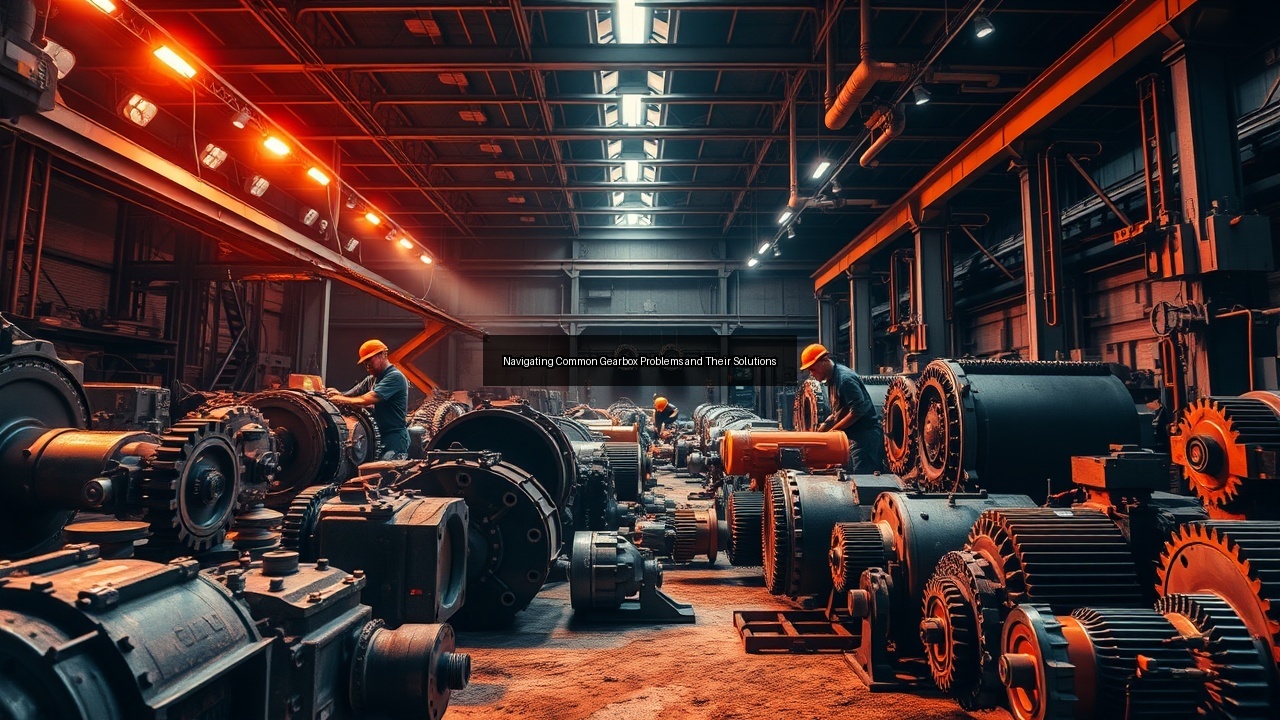
Understanding Industrial Gearboxes and Their Importance
The Role of Gearboxes in Power Transmission
Gearboxes serve as the backbone of power transmission systems in various industrial applications. They efficiently transfer mechanical power from one component to another, ensuring that machinery operates smoothly and effectively. By altering the speed and torque of the motor output, gearboxes optimize performance, allowing machines to handle heavy loads and operate at desired speeds. This fine-tuned control enhances overall system efficiency, which is crucial in industries like manufacturing, mining, and transportation. Without well-functioning gearboxes, equipment would experience increased wear and tear, leading to costly downtime and reduced productivity.
Types of Gearboxes: Worm, Reducer, and More
Different types of gearboxes cater to specific industrial needs. Worm gearboxes, characterized by their unique design, consist of a worm (a gear resembling a screw) and a worm wheel. These gearboxes excel in applications requiring high torque at low speeds, making them ideal for lifting equipment. Reducer gearboxes, on the other hand, focus on reducing input speed while increasing output torque, perfect for applications where speed control is essential. Other variations include helical gearboxes for smoother operation and planetary gearboxes, known for their compact size and high load capacity. Understanding these types helps engineers industrial gearbox maintenance select the right gearbox for optimal performance.
Key Components and Design Features of Gearboxes
Industrial gearboxes consist of several key components that contribute to their functionality. Gears, made from durable materials like steel or cast iron, form the core of the gearbox, providing the necessary mechanical advantage. Bearings support the gears, reducing friction and wear during operation. The housing protects internal components from dust and environmental factors, ensuring longevity. Design features such as gear ratio, lubrication systems, and cooling mechanisms further enhance efficiency and reliability. Engineers must consider these components and features when designing gearboxes to meet the specific demands of industrial applications.
Common Gearbox Problems and Their Root Causes
Identifying Signs of Gearbox Failure
Recognizing the early signs of gearbox failure can save industries from significant downtime and repair costs. Common indicators include unusual noises, such as grinding or whining, which may signal gear wear or misalignment. Increased vibration often accompanies these sounds, pointing to potential internal damage. Overheating is another critical sign, suggesting inadequate lubrication or excessive load. Engineers should monitor performance metrics closely, looking for deviations in speed and torque that may indicate underlying issues. Implementing a proactive maintenance strategy allows teams to address these signs before they escalate into severe failures.
The Impact of Environment on Gearbox Performance
The operating environment significantly influences gearbox performance and longevity. Factors such as temperature, humidity, and exposure to dust can affect lubrication and overall efficiency. For instance, high temperatures can lead to premature oil breakdown, while excessive dust can contaminate the internal components, increasing wear. Industries must assess their environments and consider protective measures, such as seals and filters, to mitigate these effects. Regular inspections and cleaning routines can help maintain optimal conditions, ensuring that gearboxes function effectively despite external challenges.
Understanding Vibration and Its Effects on Gearboxes
Vibration analysis serves as a vital tool in diagnosing gearbox health. Excessive vibration can lead to severe damage, impacting the gears and bearings. Factors contributing to vibration include misalignment, imbalance, and mechanical looseness. Engineers often use vibration sensors to monitor these parameters, allowing for real-time assessments. Understanding the root causes of vibration enables teams to implement corrective actions, such as realigning shafts or tightening components. Addressing vibration issues not only improves gearbox performance but also enhances overall system reliability, reducing unexpected failures and maintenance costs.
Best Practices for Gearbox Maintenance
Routine Maintenance Tasks for Industrial Gearboxes
Establishing a routine maintenance schedule is crucial for prolonging the life of industrial gearboxes. Key tasks include regular inspection, cleaning, and lubrication. Inspections should focus on identifying signs of wear, such as chipped gears or damaged bearings. Cleaning is essential to remove dust and debris that can compromise gearbox performance. Lubrication, often overlooked, requires using the correct type and amount of oil to minimize friction and wear. Implementing a checklist for these tasks ensures consistency and helps engineers track the gearbox's condition over time. This proactive approach significantly reduces the likelihood of unexpected failures and costly downtimes.
The Importance of Lubrication in Gearbox Efficiency
Lubrication plays a pivotal role in the efficiency and longevity of gearboxes. Proper lubrication reduces friction between moving parts, minimizing wear and heat generation. Engineers must select the right lubricant based on the operating conditions, such as temperature and load. Regularly monitoring lubrication levels and quality is essential; contaminated or insufficient lubrication can lead to catastrophic failures. Implementing a lubrication schedule tailored to the specific requirements of each gearbox ensures optimal performance and efficiency. This practice not only extends the lifespan of the gearbox but also enhances overall operational reliability.
How to Maintain Optimal Torque and Speed
Maintaining optimal torque and speed requires a comprehensive understanding of gearbox specifications and operational demands. Engineers should regularly evaluate the load conditions and adjust the gearbox parameters accordingly. Overloading can lead to increased wear and potential failure, while underloading can result in inefficiencies. Implementing torque monitoring systems helps teams maintain the right balance, ensuring that gearboxes operate within their designed capacity. Additionally, regular testing of speed settings and adjustments based on performance data enhance overall efficiency. This proactive approach to maintaining torque and speed contributes to a reliable and effective power transmission system.
Repairing and Upgrading Gearboxes for Longevity
When to Repair vs. Replace Gearboxes
Deciding whether to repair or replace a gearbox involves assessing its condition, age, and performance. Repairs may be the best option for minor issues, such as bearing replacements or seal repairs. However, if a gearbox shows signs of extensive wear or has reached the end of its operational life, replacement often proves more cost-effective in the long run. Engineers must weigh the costs of repairs against potential downtime and the likelihood of future failures. Analyzing performance data and consulting with experts can guide this crucial decision, ensuring that industries maintain reliable power transmission systems.
Incorporating Modern Technology in Gearbox Design
Advancements in technology have revolutionized gearbox design, enhancing efficiency and performance. Engineers now utilize computer-aided design (CAD) software to create precise models, allowing for more efficient gearing systems. Modern materials, such as composite and lightweight alloys, improve durability and reduce weight. Additionally, smart technology integration, such as IoT sensors, enables real-time monitoring of gearbox performance. These innovations facilitate predictive maintenance, allowing teams to address potential issues before they escalate. Embracing modern technology not only improves gearbox functionality but also ensures that industries can adapt to ever-evolving operational demands.
Insights from Engineering Experts on Gearbox Maintenance
Engineering experts emphasize the importance of a systematic approach to gearbox maintenance. They recommend creating a detailed maintenance plan that includes routine inspections, lubrication schedules, and performance monitoring. Experts also highlight the value of training personnel to recognize early signs of failure, which can lead to timely interventions. Furthermore, leveraging data analytics for predictive maintenance allows industries to optimize maintenance strategies, reducing downtime and costs. Incorporating expert insights industrial gearbox maintenance into maintenance practices equips teams with the knowledge to enhance gearbox reliability and efficiency, ultimately supporting uninterrupted operations across industrial sectors.