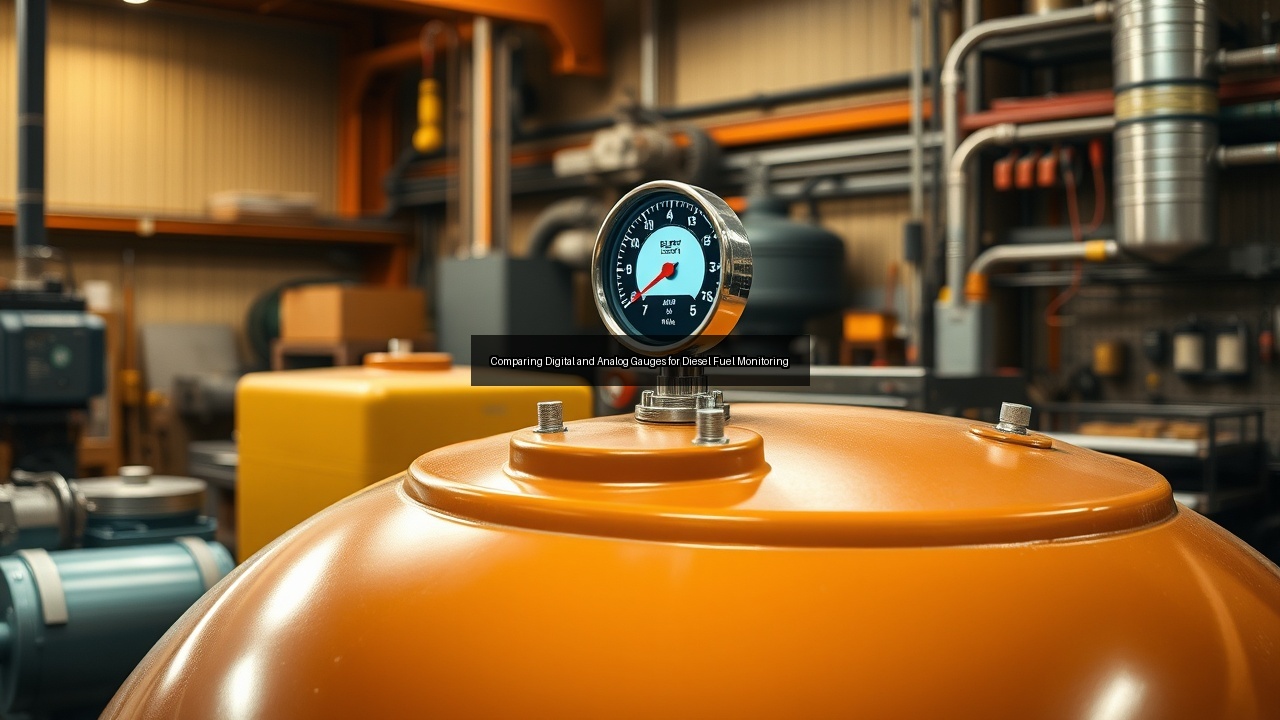
Comparing Digital and Analog Gauges for Diesel Fuel Monitoring
Understanding Diesel Fuel Monitoring
The Importance of Accurate Fuel Measurement
Accurate fuel measurement is critical for managing diesel fuel systems effectively. Precise monitoring of fuel levels helps prevent unexpected outages, reduces operational costs, and ensures optimal performance of diesel engines. An accurate fuel level gauge for diesel tanks not only saves time but also minimizes waste and enhances efficiency. Fuel mismanagement can lead to overfilling or running out of fuel, both of which can result in costly downtime and operational disruptions. Additionally, maintaining the right fuel level contributes to better engine performance, as diesel engines operate most efficiently when supplied with an adequate and consistent amount of fuel. This makes the selection of a reliable fuel gauge essential for any diesel fuel system.
Overview of Diesel Fuel Systems
Diesel fuel systems encompass various components that work in harmony to deliver fuel from the tank to the engine. These systems typically include the fuel tank, fuel lines, filters, and injectors. Each component plays a vital role in diesel tank gauges ensuring that diesel reaches the engine efficiently. The fuel tank stores the diesel, while the fuel lines transport it to the engine. Filters remove impurities to protect the engine from damage, and injectors deliver the fuel at precise intervals for optimal combustion. Understanding how these elements interact highlights the importance of accurate monitoring through reliable gauges. A well-functioning fuel diesel tank gauges level gauge for diesel tanks provides real-time data, allowing operators to make informed decisions about fueling and maintenance.
Types of Gauges for Diesel Fuel Monitoring
Digital Gauges: Features and Advantages
Digital gauges have gained popularity for diesel fuel monitoring due to their advanced features and user-friendly interfaces. These gauges provide precise measurements of fuel levels and often include digital displays that show real-time data, making it easier for operators to assess fuel amounts quickly. Many digital gauges offer additional functionalities, such as programmable alarms that alert users when fuel levels are low or when the tank is nearly full. This feature enhances fuel management by preventing overfilling and minimizing the risk of spills. Moreover, some digital gauges can integrate with existing fuel management systems, enabling users to monitor fuel consumption and track usage patterns. The accuracy and ease of interpretation provided by digital gauges make them an excellent choice for those seeking reliable fuel level monitoring for diesel tanks.
Analog Gauges: Features and Advantages
Analog gauges, while less technologically advanced than their digital counterparts, still hold significant value in diesel fuel monitoring. These traditional gauges use mechanical components to display fuel levels, often relying on a float mechanism that rises and falls with the fuel level in the tank. One of the primary advantages of analog gauges is their simplicity and durability; they typically require less maintenance and are less susceptible to electrical issues. Users appreciate their straightforward design, which allows for quick visual checks of fuel levels without the need for additional technology. However, analog gauges may lack the precision of digital models and often do not provide additional data, such as consumption statistics. For straightforward applications, analog gauges can still serve as a reliable option for monitoring fuel levels in diesel tanks.
Comparative Analysis of Digital and Analog Gauges
When comparing digital and analog gauges for diesel fuel monitoring, several factors come into play. Digital gauges excel in precision and user-friendliness, providing real-time data and additional features that enhance fuel management. Their ability to integrate with automated systems makes them ideal for larger operations where tracking consumption and efficiency is paramount. Conversely, analog gauges offer simplicity and reliability, making them suitable for smaller operations or situations where advanced technology is unnecessary. Cost can also be a deciding factor; digital gauges often come with a higher price tag due to their advanced features, while analog gauges may present a more budget-friendly option. Ultimately, the choice between these two types of gauges depends on specific needs, budget constraints, and the complexity of the fuel management system in place.
Factors Influencing Gauge Selection
Cost Considerations in Fuel Management
Cost plays a pivotal role in the selection of a fuel level gauge for diesel tanks. Budget constraints often dictate whether operators lean toward digital or analog gauges. Digital gauges, with their advanced features and functionalities, generally command higher prices. However, they offer long-term savings through improved fuel management, reduced waste, and enhanced operational efficiency. The upfront investment in digital technology may lead to lower operational costs over time, making them a sound financial choice for larger fleets or operations that heavily rely on diesel fuel. On the other hand, analog gauges present a more economical option for smaller businesses or applications where high precision is less critical. Evaluating the potential return on investment (ROI) for each gauge type can help operators make informed decisions that align with their financial goals.
Compatibility with Diesel Tanks and Engines
Compatibility is another crucial factor when selecting a fuel level gauge for diesel fuel monitoring. Not all gauges fit every type of diesel tank or engine configuration. Operators must consider tank size, shape, and design, as well as the specific requirements of their diesel engines. Some tanks have unique fittings and mounting requirements that may limit gauge options. Digital gauges may offer more customization options, enabling users to adapt them to various tank designs. In contrast, analog gauges might be simpler but less flexible. Ensuring proper fit and functionality can prevent issues related to inaccurate readings and operational inefficiencies, making it essential to consult manufacturer specifications or seek expert advice when selecting a gauge for diesel fuel systems.
Maintenance and Calibration Requirements
Maintenance and calibration significantly influence the longevity and reliability of fuel level gauges. Digital gauges generally require periodic calibration to ensure accuracy, particularly if they have been subjected to changes in temperature or pressure. While these gauges offer advanced features, their complexity can also lead to more maintenance needs. In contrast, analog gauges, with their straightforward mechanical designs, often require less frequent calibration and maintenance. However, they may still need occasional checks to ensure accuracy, especially if the float mechanism is subject to wear and tear. Understanding these maintenance demands is essential for operators who wish to minimize downtime and ensure consistent performance from their diesel fuel monitoring systems. Establishing a routine maintenance schedule can help address potential issues before they escalate.
Best Practices for Fuel Level Monitoring
Integrating Gauges with Fuel Management Systems
Integrating fuel level gauges with fuel management systems enhances the overall effectiveness of diesel fuel monitoring. A comprehensive fuel management system provides valuable insights into fuel usage, consumption patterns, and storage efficiency. By connecting gauges to these systems, operators can automate data collection, generate reports, and analyze trends over time. This integration allows for better decision-making regarding fueling, purchasing, and inventory management. For instance, operators can set alerts for low fuel levels or schedule refueling based on predictive analytics. Such proactive measures significantly reduce the risk of running out of diesel and ensure optimal engine performance. Fuel management systems that incorporate both digital and analog gauges can provide a holistic view of fuel operations, enabling seamless management of diesel fuel resources.
Ensuring Clear Diesel Visibility in Tanks
Clear visibility of diesel fuel in tanks is vital for effective monitoring and management. Operators should prioritize maintaining clean tanks to ensure that fuel levels are easily visible and that the diesel remains free from contamination. Regular cleaning of diesel tanks, along with the use of filtration systems, can help achieve this goal. Proper tank maintenance not only enhances visibility but also prolongs the life of the diesel fuel and the equipment relying on it. Furthermore, some modern tanks come equipped with transparent sections or sight glasses, allowing for easy visual checks without needing to rely solely on gauges. Combining these practices with accurate fuel level gauges creates a robust monitoring system that contributes to overall operational efficiency and reliability in diesel fuel management.